
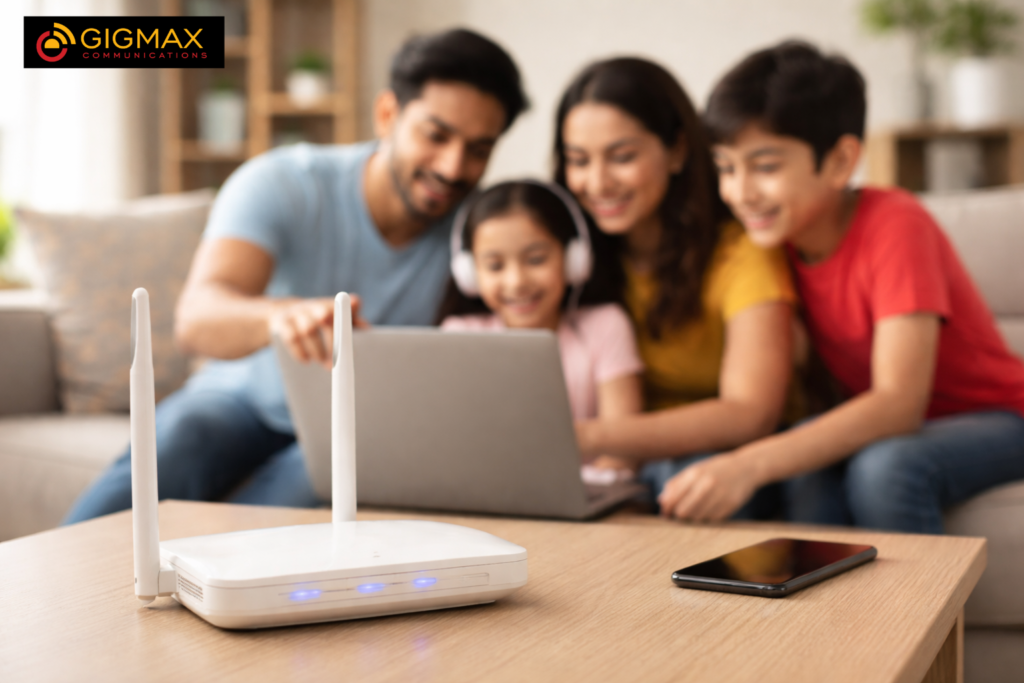
Buying internet connection is a big decision today because almost everything in daily life depends on the internet. From online classes and office work to OTT streaming, gaming, and even smart home devices, a stable WiFi connection has become a basic need for every home. But many people still face common issues like buffering, slow speed, weak signal in rooms, and frequent disconnections. That is why choosing the right internet connection is not just about selecting a random plan—it is about selecting the right service, the right speed, and the right provider for your needs.
If you want fast WiFi without any hassle, you must understand what type of internet connection is best for you, what speed you actually need, and what important points you should check before finalizing a provider. In this guide, we will explain the key factors that help you choose the best connection for your home, and also share things to check before choosing internet so you don’t regret your decision later.
Why Buying an Internet Connection Matters So Much Today
Earlier, internet was used mostly for browsing, Facebook, WhatsApp, and small downloads. But now, internet usage has increased massively. Most homes have multiple smartphones, laptops, smart TVs, and even smart devices like CCTV cameras and Alexa. This means one internet connection has to support multiple users and devices at the same time.
If you buy a low-quality connection, you may face:
- Buffering during YouTube and Netflix
- Poor video call quality on Zoom/Google Meet
- Lag during online gaming
- Slow downloads and uploads
- Weak WiFi coverage in bedrooms
- Frequent disconnections and network drops
This is why selecting a good plan and a good provider is important. The goal is to get a reliable internet service that stays stable throughout the day.
Types of Internet Connections Available
Before you choose, it’s important to understand what options exist in most areas:
1) Fiber Broadband (Best Option)
Fiber internet is the most recommended option today because it provides high speed, stable connectivity, and low latency. It is perfect for streaming, gaming, online meetings, and multi-device usage.
2) Cable Broadband
This is an older technology and may not be as stable as fiber. Speeds can drop during peak hours.
3) Wireless Broadband (AirFiber / Fixed Wireless)
This works through antennas. It can be useful where fiber is not available, but stability depends on location, weather, and signal strength.
4) Mobile Hotspot / Dongle
This is good only for temporary use. It is not the best option for long-term home usage because speed and stability vary a lot.
If fiber is available in your area, it is usually the best internet connection for home because it delivers the most consistent performance.
How Much Speed Do You Really Need?
One of the biggest mistakes people make while buying internet connection is choosing a plan without understanding speed requirements. More speed is good, but you also don’t want to overpay for something you don’t need.
Here is a simple idea:
- Basic usage (1–2 people): 30–50 Mbps
Good for browsing, WhatsApp, YouTube in HD, and online classes. - Medium usage (3–5 people): 75–100 Mbps
Best for families, smart TVs, office work, and HD streaming. - Heavy usage (5+ users): 150–300 Mbps
Great for 4K streaming, gaming, large downloads, and multiple devices.
If your home has multiple devices and heavy usage, choosing the right speed is important to avoid buffering and slow performance.
Things to Check Before Choosing Internet (Very Important)
If you want fast WiFi without any hassle, you must check the following points before finalizing any provider. These are the most important things to check before choosing internet:
1) Fiber Availability in Your Area
Always confirm whether fiber is available in your lane, colony, or building. Fiber provides better speed and stability compared to normal broadband.
2) Plan Details and Hidden Conditions
Many providers advertise high speed, but the plan may have hidden limits, FUP, or speed drops after data usage. Always check:
- Is it unlimited?
- Is there FUP?
- Is speed guaranteed or “up to”?
- Are taxes included?
3) Installation Time
A good provider should offer quick installation. Some companies take 5–10 days, which is frustrating. If you need urgent internet, choose a provider known for fast setup.
4) Router Quality and WiFi Range
The router plays a big role in your WiFi experience. A poor router can cause weak signal in rooms even if your internet speed is high.
Ask the provider:
- What router are they giving?
- Is it dual-band (2.4GHz + 5GHz)?
- Can you upgrade the router?
5) Customer Support and Complaint Resolution
Speed is important, but support matters even more. Even the best network can face issues sometimes. A provider with poor customer support can make your life stressful.
Always check:
- Do they have local support?
- How fast do they resolve complaints?
- Do they provide WhatsApp support or helpline?
A provider with good support gives you reliable internet service in the long run.
6) Uptime and Stability
Uptime means how often the internet stays active without downtime. Many local connections give good speed but face frequent cuts.
Ask the provider:
- How stable is the network?
- Do they have backup systems?
- Do they face frequent breakdowns?
7) Speed During Peak Hours
Peak hours are usually evening time when most people use the internet. Some providers slow down during this time.
If possible, ask neighbors about their experience.
8) Extra Charges
Some companies charge extra for:
- Installation
- Router
- Wiring
- Relocation
- Service visits
Confirm all charges clearly before paying.
Best Internet Connection for Home: What Makes It “Best”?
The best internet connection for home is not just the fastest one. It is the one that gives you a balanced combination of:
- Stable speed all day
- Low ping for gaming and meetings
- Strong WiFi coverage in your house
- Unlimited data (or high data limit)
- Quick customer support
- Affordable pricing
- Smooth OTT streaming without buffering
Even if your plan is 100 Mbps, it should perform consistently. Many people choose 200 Mbps plans but still face buffering due to weak router or poor network stability. So, the “best” connection is the one that matches your needs properly.
Reliable Internet Service: Why It’s More Important Than Just Speed
Many providers advertise “high speed,” but speed alone does not guarantee a good experience. A reliable internet service means:
- Your internet works smoothly without frequent cuts
- Speed stays stable, especially in peak hours
- Your WiFi stays connected on all devices
- Support team helps quickly when issues happen
Reliability is what makes the internet hassle-free. It saves you from daily frustration and repeated complaints.
Common Mistakes People Make While Buying Internet Connection
To avoid wasting money, here are a few mistakes you should not make:
1) Choosing Only the Cheapest Plan
Cheap plans often come with poor stability or slow support. Always balance price with service quality.
2) Ignoring Router Placement
Even the best plan can feel slow if your router is placed in a corner or behind a TV.
3) Not Checking Real Reviews
Advertisements can be misleading. Try to ask local residents, neighbors, or shop owners about their experience.
4) Buying Too Much Speed Unnecessarily
If you only use WhatsApp and YouTube, you don’t need 300 Mbps. Choose what fits your usage.
5) Not Asking About Support
Many people realize support issues only after installation. Always check support system first.
How to Make Your Home WiFi Stronger After Installation
Even after buying the connection, you can improve performance by following a few simple steps:
- Place the router in the center of your home
- Keep the router in an open area, not behind furniture
- Use dual-band WiFi (2.4GHz for range, 5GHz for speed)
- Use a WiFi extender or mesh system for large homes
- Update router firmware
- Use LAN cable for gaming or office PC for best stability
These small improvements can make a big difference in your internet experience.
Final Thoughts
Buying an internet connection should be a smart decision, not a stressful one. The right WiFi connection can make your home life smooth—whether you are working, studying, watching OTT, or gaming. Always focus on speed, stability, router quality, and customer support instead of only price. Gigmax Communication helps users get a reliable fiber internet connection with strong WiFi coverage and stable performance for daily needs. Most importantly, follow the key things to check before choosing internet so you don’t face hidden charges, weak signal, or poor service later. Also, check plan details, installation time, service availability in your area, and after-sales support. A good provider always gives transparent pricing, consistent speed, and quick issue resolution for a better internet experience.

看不懂但大受震撼
Hi from DreamProxies.com
Hot proxy news: elite, fast speed and unlimited private proxies now even lower price!
50% Savings – for all private proxies:
https://tiny.cc/dreamproxies-deals
Check features and advantages:
Complete Anonymity, Premium Quality, Lightning-fast Speed, Unlimited Bandwidth, Powerful Servers, Low Prices, Additional Offers and much more
50% Off for all proxies packages – by DreamProxies.com